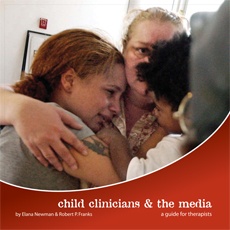
Child Clinicians & the Media
Whether clinicians like it or not, children and families affected by trauma are routinely covered by the media. When that happens, clinicians often face difficult choices.
Note: Available as PDF download only.
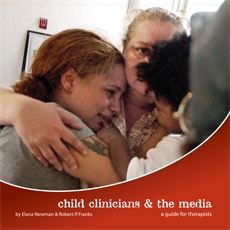
Whether clinicians like it or not, children and families affected by trauma are routinely covered by the media. When that happens, clinicians often face difficult choices.
Are you nervous when a reporter calls you? Do you know how to help families facing tragedy respond to the media attention? Do you know how to effectively work with the media? Do you have a set of guidelines for yourself or your organization on how to respond to requests from the media? Do you know how to reach out to the media if you have a story that you want to be told?
Like clinicians, journalists have an important job to do, and they take their work very seriously. Children and families facing traumatic events make news—whether the stories are about adversity or triumph.
Audiences are powerfully affected when direct information comes from children, adolescents or family members. Yet balancing the needs and expectations of survivors, journalists and the public can be complex.
By working collaboratively with the media, we can better ensure that the stories of children and families are told responsibly and effectively lead to increased public awareness about the impact of exposure to trauma.
This guide is designed to help you be more effective in working with survivors and the media:
- Victims and families: How can you help victims and families who are approached by the media or want to approach the media?
- Journalists: How can you be more helpful as a news source?
- Community: How can you improve community knowledge about trauma and trauma-focused programs for children?